 Skip to content
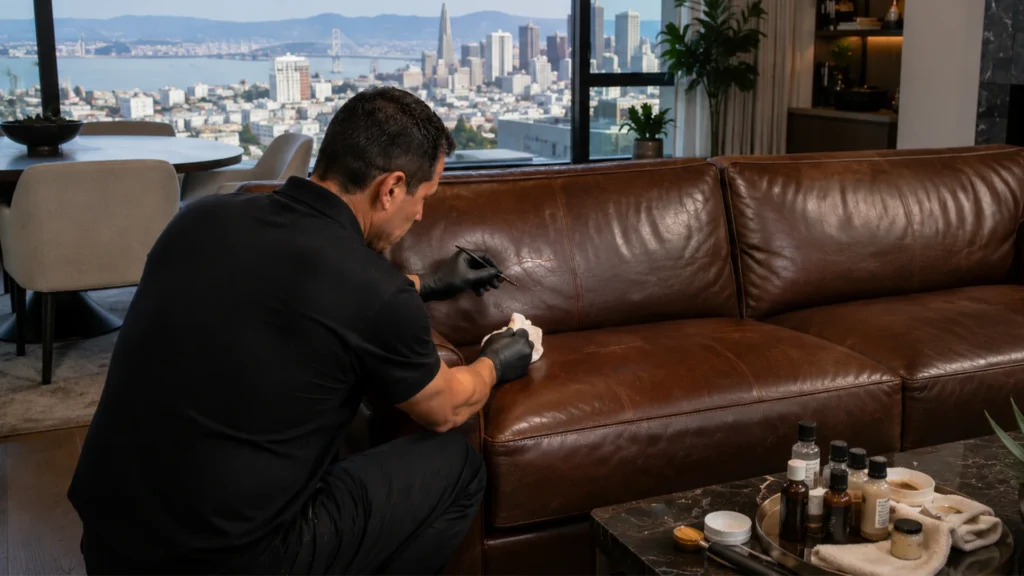
A good leather sofa can last for decades, but only if it gets a little attention along the way. Leather is a natural material: it dries out, fades in the sun, picks up body oils and scratches, and reacts badly to the wrong cleaner. The good news is that most of the care it needs takes a few minutes a month. This guide covers what we tell customers across San Francisco and the Bay Area after we finish a repair: how to clean leather furniture safely, when conditioning actually helps, how to protect it from sun and heat, and how to tell when a problem needs a professional.
1. Start by Identifying Your Leather
Before you put any product on a couch, find out what kind of leather it is. The finish decides what is safe to use.
- Protected (pigmented) leather has a colored coating on top. It is the most common type on sofas, recliners and car seats, resists spills well and is the easiest to clean.
- Aniline leather is dyed but has little or no protective coating. It feels soft and natural, darkens when wet and absorbs oils and stains quickly.
- Semi-aniline leather sits in between: a light protective layer over dyed leather.
- Bonded or “PU” leather is a thin layer on a fabric backing. It cannot be conditioned like real leather and tends to peel with age.
A simple test: put one drop of water on a hidden spot. If it beads and wipes off, the leather is protected. If it soaks in and darkens the spot, treat the piece as aniline and be extra gentle. The manufacturer’s tag or care card is always the best source if you still have it. Balsamio has a short guide to identifying your leather type if you want a second opinion.

2. Clean Gently and Regularly
Dust and grit act like fine sandpaper. Every time someone sits down, they grind into the surface and slowly wear through the finish, especially on seat cushions and arm fronts.
- Weekly: wipe the whole piece with a dry, soft microfiber cloth. Use a soft brush attachment on the vacuum for seams, piping and the gaps around cushions.
- Every few months: clean with a pH-balanced cleaner made for leather. Apply it to the cloth, not directly to the furniture, work in small sections and wipe off the residue.
- Always test first on a hidden area, such as the back or underside of a cushion.

Skip dish soap, baby wipes, all-purpose sprays, vinegar, alcohol and anything with ammonia or bleach. They strip the finish and dry the leather out, and that damage often shows up weeks later as cracking. A dedicated product such as a gentle foaming leather cleaner is the safer choice. For step-by-step instructions on a whole sofa, see how to clean a leather couch.
Spills: blot right away with a dry cloth. Do not rub, which pushes liquid deeper and spreads the stain. Ink, wine and grease on aniline leather are best left to a professional rather than scrubbed at home.
3. Condition Only When the Leather Needs It
Conditioning puts moisture and oils back into leather and keeps it flexible. Too little and it dries and cracks; too much and the surface turns sticky, attracts dirt and can darken.
- Most protected leather needs conditioning every 6 to 12 months. Aniline leather, or furniture that sits near a window or heater, may need it every 3 to 6 months.
- Clean first, then condition. A thin coat worked in with a soft cloth is enough; buff off anything that has not absorbed after 15 to 20 minutes.
- Pay attention to seats, arm tops and headrests, where body oils and friction wear the leather fastest.
- Do not use olive oil, coconut oil, petroleum jelly or hand lotion. They can turn rancid, darken the leather and break down the finish.

A balm designed for furniture, like this leather conditioner balm, absorbs evenly without leaving a greasy film. Keep in mind that conditioner prevents damage; it does not reverse it. Leather that is already cracked or peeling needs repair.
4. Protect Leather From Sun and Heat
Bay Area homes get a lot of light. Big west-facing windows in San Francisco, and hot summers in Walnut Creek and the rest of the East Bay, are two of the most common reasons we see faded and cracked sofas.

- Keep leather out of direct afternoon sun, or use sheer curtains, blinds or UV-blocking window film.
- Leave at least a foot or two between leather and fireplaces, heaters, radiators and floor vents.
- Rotate cushions and, when you can, move the sofa a little every season so one side does not fade faster than the other.
- Avoid big swings in indoor humidity. Very dry heated air in winter speeds up cracking.
5. Plan the Room Around Your Leather
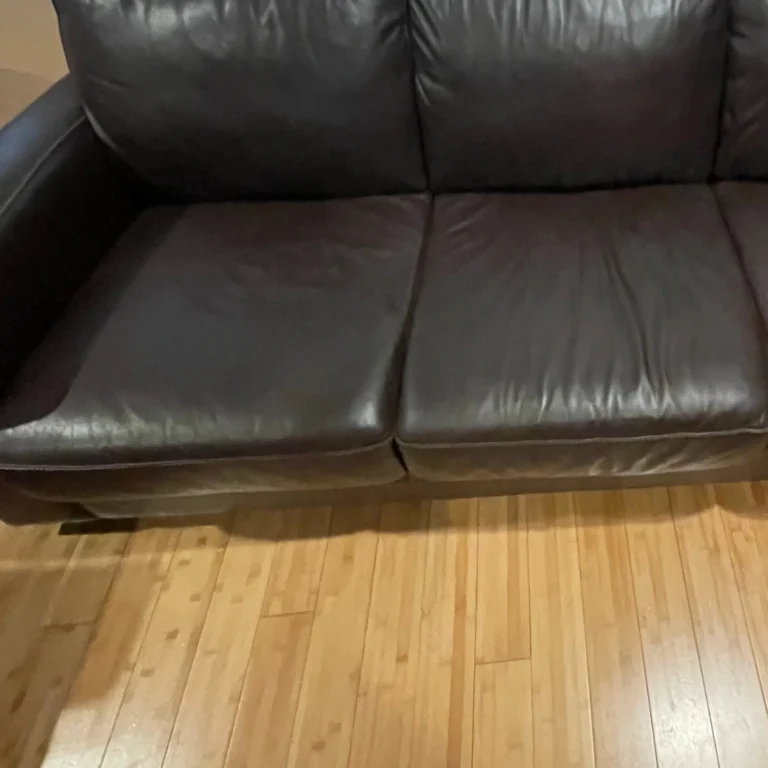
Where furniture sits in a room matters as much as how you clean it. A sofa pushed tight against a wall rubs and scuffs along the back. A media console wedged next to the arm puts heat from electronics right against the leather. Small layout changes help:

- Leave a few inches between the sofa and the wall so the leather does not rub and you can clean behind it.
- Keep cables, chargers and power strips off the cushions and out of the seams.
- Mounting the TV on the wall frees up floor space and moves heat-producing electronics away from seating. In the Bay Area and Sacramento area, Prime Mount handles TV wall mounting and hidden wiring.
- Keep pets’ claws trimmed and give them a throw blanket of their own on the sofa.
6. Catch Damage Early
Most leather damage starts small and gets more expensive the longer it is left. Look over your furniture once a month for:
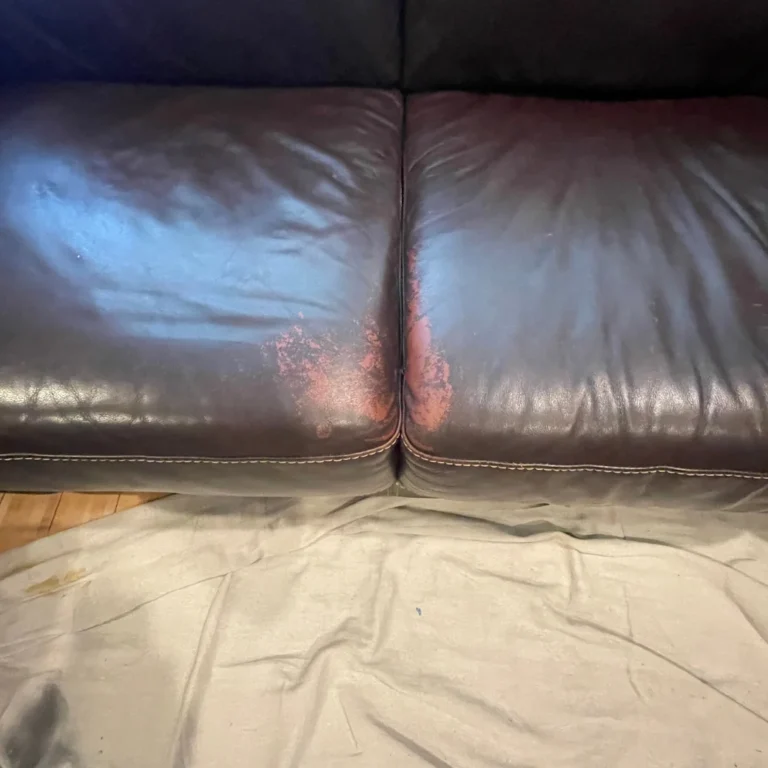
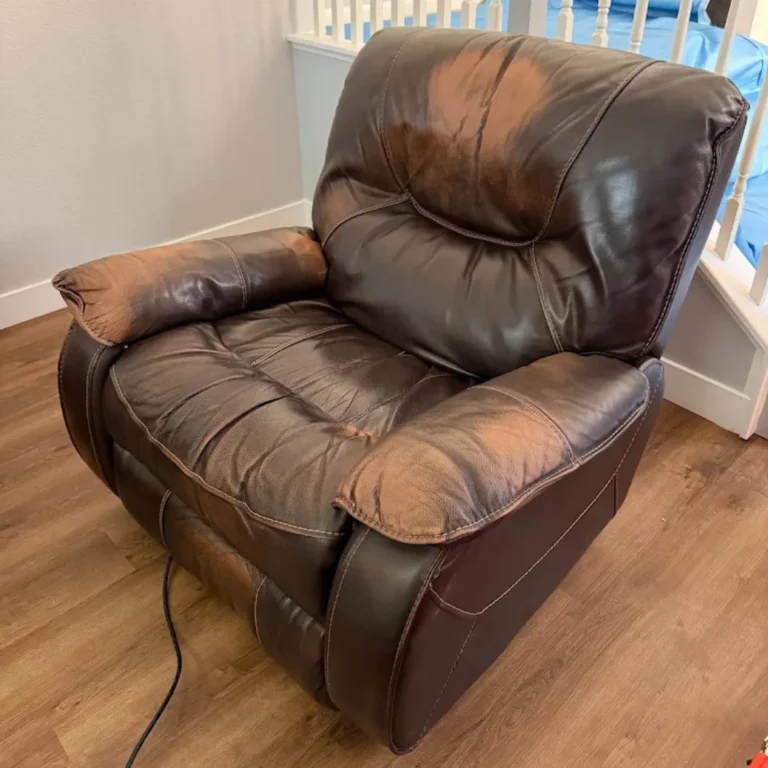
- Color loss on arms, seat edges and headrests, where friction wears the finish away.
- Fine surface cracks that look like a spider web, an early sign of dry leather.
- Peeling or flaking of the top coat, common on bonded leather and old protected leather.
- Scratches, scuffs and pet claw marks.
- Dark, shiny patches where body oils have built up.
- Small cuts or open seams, which grow quickly once the leather is under tension.
Light surface scuffs sometimes disappear after cleaning and conditioning. Deeper scratches, cracks and tears need filler, color matching and a new protective coat.
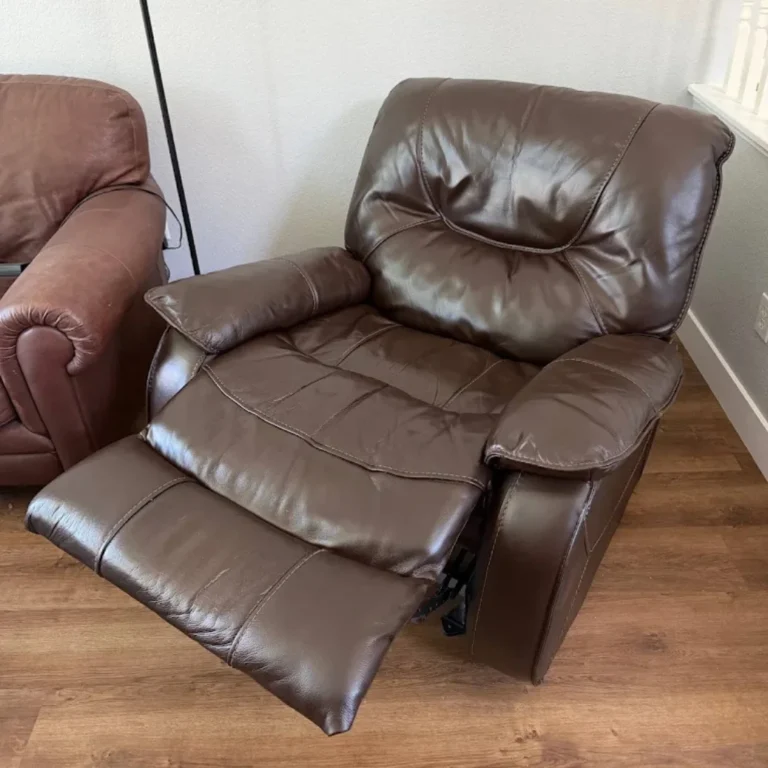
7. Repair or Replace?
If the frame is solid, the springs are not broken and the cushions still hold their shape, repairing the leather is usually the better deal. A professional repair can include:
- cleaning and degreasing the surface;
- filling cracks, scratches and small cuts with flexible filler;
- patching tears and holes from behind;
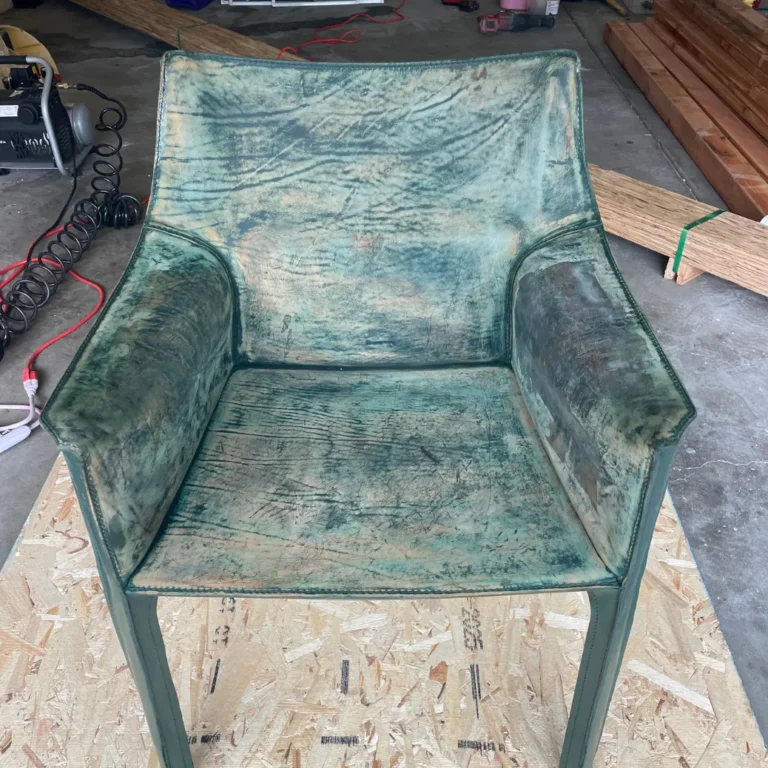
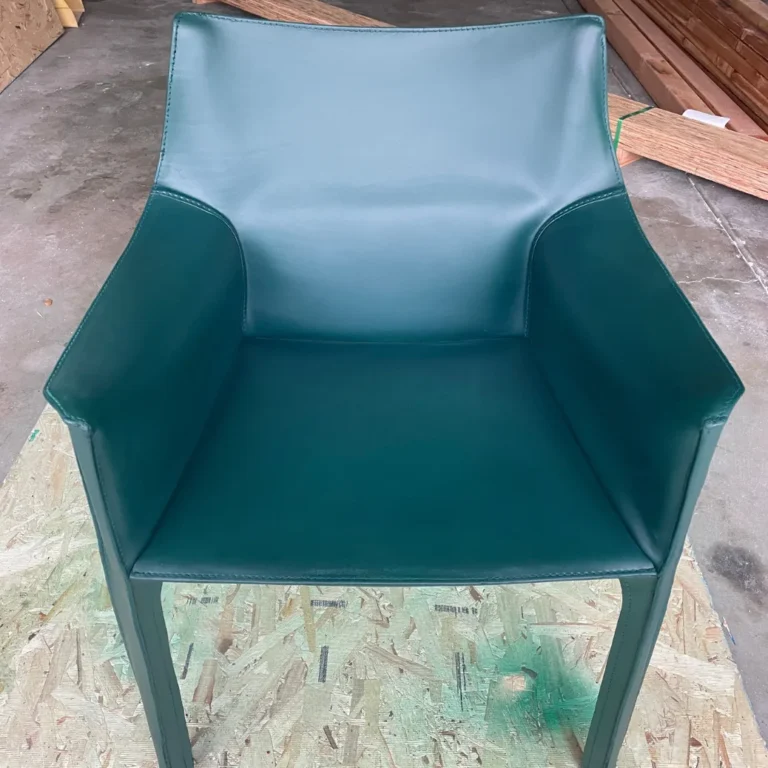
- custom color matching and recoloring faded leather;
- sealing the finish with a new protective top coat.
Replacing the upholstery, or the whole piece, makes more sense when large areas are peeling, when bonded leather is flaking all over, or when the frame and foam are worn out too. You can see what is possible on our before and after page, and read more about leather couch and sofa repair, recliner repair and leather furniture repair in San Francisco.
8. A Simple Leather Care Schedule
| How often | What to do |
|---|---|
| Weekly | Dust with a dry microfiber cloth; vacuum seams with a soft brush |
| Right away | Blot spills; never rub |
| Monthly | Look for color loss, cracks, scratches and open seams |
| Every 3–6 months | Clean with a leather cleaner; condition aniline or sun-exposed pieces |
| Every 6–12 months | Condition protected leather |
| Once a year | Check cushions and seams; fix small damage before it spreads |
Frequently Asked Questions
How often should I clean leather furniture?
Dust it weekly and give it a proper clean with a leather cleaner every three to six months. Pieces that get daily use, or that kids and pets use, may need it more often.
Can I use household cleaners on leather?
No. Dish soap, wipes, vinegar and all-purpose sprays strip the finish and dry the leather out. Use a cleaner made for leather and test it on a hidden spot first.
Can I condition leather too often?
Yes. Too much conditioner leaves a sticky surface that attracts dirt. Condition only when the leather starts to feel dry or stiff, typically every 6 to 12 months for protected leather.
Can cracked leather be repaired?
In most cases, yes. Cracks are filled, sanded smooth, color matched and sealed. Leather that is peeling over large areas, or bonded leather that is flaking, may need reupholstery instead.
Is it worth repairing an old leather sofa?
If the frame and cushions are in good shape, repair usually costs far less than a comparable new sofa and keeps a well-made piece in use.
How do I keep leather from fading?
Keep it out of direct sun, use curtains or UV film, keep it away from heaters and condition it on schedule.
Need a Hand With Damaged Leather?
Leather Repair World is a mobile repair service for the San Francisco Bay Area, including Oakland, Berkeley and Walnut Creek. We repair scratches, cracks, tears, color loss and pet damage on sofas, recliners, chairs and car seats, right at your home.
Text a few photos to (415) 761-1010 or request a free estimate online. We reply within 1 hour.
